
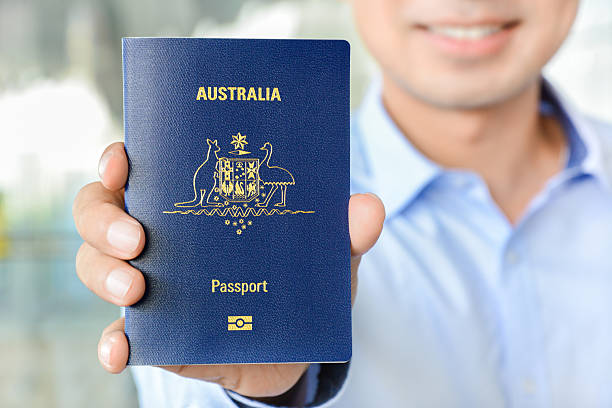
Australia remains one of the world’s most attractive destinations for skilled foreign workers looking for international employment, competitive salaries, professional opportunities and a potential pathway to permanent residence.
In 2026, Australia continues to offer several employer-sponsored visa options for overseas workers, particularly in occupations experiencing skills shortages.
For international applicants searching for Australia work visa sponsorship 2026, jobs in Australia with visa sponsorship, Australian employers sponsoring foreign workers, employer sponsored visa Australia, Australia skilled worker visa, and Australia work permit for foreigners, understanding the difference between temporary sponsorship, employer nomination and permanent residence is essential.
Australia’s primary temporary employer-sponsored skilled visa is now the Skills in Demand visa (subclass 482). The visa replaced the former Temporary Skill Shortage visa and allows approved employers to sponsor eligible skilled workers for positions that meet the applicable requirements.
There are also permanent and regional employer-sponsored pathways, including the Employer Nomination Scheme visa (subclass 186) and the Skilled Employer Sponsored Regional visa (subclass 494).
This guide explains how Australia work visa sponsorship works in 2026, the occupations in demand, salary requirements, employer approval, visa options, documents, application steps, recruitment websites, permanent residence pathways and common immigration mistakes to avoid.
What Is Australia Work Visa Sponsorship?
Australia work visa sponsorship is a process through which an eligible Australian employer sponsors or nominates a skilled overseas worker for an approved position.
The employer generally needs to satisfy Australia’s sponsorship requirements before nominating an overseas worker.
For the Skills in Demand visa, an employer can become a Standard Business Sponsor if it meets the government’s requirements. Approved sponsors can nominate eligible skilled overseas workers for subclass 482 positions.
The process is therefore different from simply applying for a normal job.
A typical employer-sponsored process looks like this:
Australian employer → Sponsorship approval → Nomination → Visa application → Visa decision → Travel to Australia → Employment
The worker does not simply purchase sponsorship from an employer.
A legitimate employer must have a genuine position and comply with Australian immigration and employment laws.
Main Australia Employer Sponsored Visas in 2026
There are several important employer-sponsored visa pathways.
| Visa | Type | Main Purpose |
|---|---|---|
| Subclass 482 | Temporary | Skilled worker sponsored by an Australian employer |
| Subclass 186 | Permanent | Employer-sponsored permanent residence |
| Subclass 494 | Provisional | Employer-sponsored work in regional Australia |
| Subclass 191 | Permanent | PR pathway for eligible regional visa holders |
The Department of Home Affairs confirms that subclass 482 is a sponsored temporary work visa, while subclass 186 is permanent and subclass 494 is a five-year regional provisional visa.
Skills in Demand Visa Subclass 482
The Skills in Demand visa (subclass 482) is one of the most important routes for foreign workers who have an Australian employer willing to sponsor them.
The visa generally allows an approved worker to remain in Australia for 1 to 4 years, depending on the stream and circumstances.
The visa requires the applicant to have the skills necessary to perform the nominated occupation and generally requires at least 12 months of work experience in the nominated occupation or a related field.
Skills in Demand Visa Streams
The subclass 482 system contains different streams, including:
- Core Skills stream
- Specialist Skills stream
- Labour Agreement stream
The Core Skills stream is particularly important for applicants whose occupations appear on the applicable Core Skills Occupation List (CSOL).
The Specialist Skills stream is designed for highly paid skilled workers in eligible occupations who meet the relevant salary and other criteria.
Core Skills Occupation List
Australia’s Core Skills Occupation List identifies occupations that can be used for certain skilled visa programs, including the Core Skills stream of subclass 482.
The official skilled occupation system specifies the occupation’s ANZSCO code, applicable caveats and assessing authority.
Applicants should therefore never rely solely on a job title.
For example, two jobs that sound similar may have different ANZSCO classifications and different visa eligibility.
The Department of Home Affairs maintains the current occupation information and legislative instruments.
In-Demand Jobs in Australia in 2026
Australia’s employer-sponsored migration system covers a wide range of skilled occupations.
Some of the most important sectors for foreign workers include:
Information Technology
Australia continues to recruit technology professionals in areas such as:
- Software engineering
- Cybersecurity
- Cloud computing
- Artificial intelligence
- Data science
- Data engineering
- ICT business analysis
- Systems administration
- Network engineering
- DevOps
- Database administration
- Software development
- Technology project management
Technology professionals should check whether their exact occupation appears on the applicable occupation list and whether a skills assessment is required.
Engineering
Engineering remains an important area of skilled migration.
Potential occupations include:
- Civil engineer
- Mechanical engineer
- Electrical engineer
- Mining engineer
- Petroleum engineer
- Chemical engineer
- Industrial engineer
- Structural engineer
- Environmental engineer
- Telecommunications engineer
Construction-related occupations are also receiving high processing priority under Australia’s current skilled visa processing arrangements. From 25 July 2026, Ministerial Direction 119 places occupations supporting Australia’s law enforcement and defence interests first, followed by construction, healthcare and teaching.
Healthcare
Australia has continued demand for qualified healthcare professionals.
Potential opportunities include:
- Registered nurses
- Medical practitioners
- Physiotherapists
- Occupational therapists
- Medical laboratory scientists
- Pharmacists
- Radiographers
- Allied health professionals
- Specialist healthcare professionals
Healthcare occupations may require registration with the relevant Australian professional body before the applicant can legally practise.
Construction
Construction is particularly relevant to Australia’s skilled migration system.
Potential occupations include:
- Construction project manager
- Civil engineer
- Structural engineer
- Quantity surveyor
- Surveyor
- Building inspector
- Carpenter
- Bricklayer
- Plumber
- Electrician
- Painter
- Welder
- Metal fabricator
- Construction estimator
The Department of Home Affairs currently gives high processing priority to construction occupations under Ministerial Direction 119.
Trades
Australia also has opportunities in skilled trades.
Depending on the occupation and visa pathway, applicants may investigate:
- Electricians
- Plumbers
- Welders
- Motor mechanics
- Metal fabricators
- Carpenters
- Joiners
- Fitters
- Machinists
- Refrigeration mechanics
- Automotive technicians
Trade occupations often involve skills assessment, licensing or registration requirements.
Australia Work Visa Salary Requirements
Salary is one of the most important parts of an employer-sponsored application.
Australia uses specific income thresholds for employer-sponsored skilled migration.
The exact threshold applicable to an application depends on the visa, stream, occupation, salary arrangements and applicable legislative requirements.
Applicants should therefore check the current Department of Home Affairs requirements before accepting a job offer.
A salary that appears attractive in an online advertisement may still fail to satisfy the applicable sponsorship requirements.
Employers must also comply with Australian workplace laws and applicable market salary requirements.
Can an Australian Company Sponsor a Foreign Worker?
Yes, an eligible Australian company can sponsor an overseas skilled worker.
However, the company normally has to satisfy the requirements for becoming an approved sponsor.
The Department of Home Affairs identifies a Standard Business Sponsor as a business assessed as suitable to sponsor applicants for subclass 482 and subclass 494 visas.
An employer may also use a labour agreement where the standard skilled migration program does not provide an appropriate pathway.
Labour Agreements
A labour agreement allows an approved Australian business to sponsor skilled overseas workers where there is a demonstrated need that cannot be met through the Australian labour market and where standard temporary or permanent visa programmes are not available.
Labour agreements can support:
- Skills in Demand visa subclass 482
- Employer Nomination Scheme subclass 186
- Skilled Employer Sponsored Regional subclass 494
The Department states that labour agreements are generally in effect for five years.
Designated Area Migration Agreements
A Designated Area Migration Agreement (DAMA) can provide additional skilled migration options in participating regional areas.
DAMA arrangements can contain occupations and concessions that are not available through the standard skilled migration programme.
Businesses operating within a designated region may seek an individual labour agreement under the relevant DAMA head agreement.
This makes regional Australia particularly important for foreign workers whose occupations may have limited opportunities in Australia’s major cities.
Employer Nomination Scheme Subclass 186
The Employer Nomination Scheme visa (subclass 186) is a permanent visa.
It allows eligible skilled workers to become Australian permanent residents through employer nomination.
The main pathways include:
- Temporary Residence Transition stream
- Direct Entry stream
- Labour Agreement stream
The Department of Home Affairs confirms that subclass 186 is a permanent visa and that the Temporary Residence Transition stream is available to eligible Skills in Demand visa holders across occupations subject to the applicable requirements.
For Direct Entry applicants, a skills assessment is generally required unless an exemption applies.
Skilled Employer Sponsored Regional Visa Subclass 494
The Skilled Employer Sponsored Regional visa (subclass 494) is designed for skilled workers sponsored by employers in designated regional Australia.
The visa can last for up to five years.
The applicant must work in a designated regional area, and employer-sponsored applicants generally need a skills assessment unless exempt.
Regional sponsorship can be attractive to foreign workers because some occupations and employers outside Australia’s major metropolitan areas have difficulty filling skilled positions.
Permanent Residence Through Subclass 191
Eligible holders of regional provisional visas can potentially move toward permanent residence through the Permanent Residence (Skilled Regional) visa subclass 191.
The Department of Home Affairs states that holders of eligible skilled regional provisional visas need to demonstrate that they have lived and worked in regional Australia while holding the relevant provisional visa.
The exact requirements should be checked before applying because immigration rules can change.
Australia Employer Sponsored Visa Requirements
Applicants generally need to demonstrate that they satisfy the requirements for the specific visa.
Depending on the visa, this can involve:
- Eligible occupation
- Appropriate qualifications
- Relevant work experience
- English language ability
- Skills assessment where required
- Registration or licensing
- Suitable employer
- Genuine nominated position
- Required salary
- Health requirements
- Character requirements
- Identity documents
- Other visa-specific criteria
For subclass 482, the Department confirms that applicants must have the skills necessary to perform the nominated occupation and generally need at least 12 months of relevant work experience.
English Language Requirements
English requirements depend on the visa and stream.
Applicants should not assume that one English test score applies to every Australian employer-sponsored visa.
Accepted tests, minimum scores and exemptions can vary.
The safest approach is to check the specific visa subclass and stream before booking an English examination.
Skills Assessment
Some occupations require a skills assessment.
A skills assessment examines whether the applicant’s qualifications and experience are suitable for the nominated occupation.
The assessing authority depends on the occupation.
For example, trade occupations may involve Trades Recognition Australia (TRA), while professional occupations can have different assessing authorities.
The official occupation list identifies the relevant assessing authority for eligible occupations.
Documents Required for an Australian Sponsored Work Visa
Prepare the relevant documents before starting your application.
| Document | Purpose |
|---|---|
| Valid passport | Identity and travel |
| Employment contract | Evidence of employment |
| Job offer | Confirms position |
| Employer nomination information | Supports sponsorship |
| CV | Professional history |
| Degree or certificate | Qualifications |
| Skills assessment | Where required |
| Employment references | Work experience |
| English test results | Where required |
| Professional registration | Regulated occupations |
| Police certificates | Character requirements |
| Medical examination | Health requirements |
| Marriage certificate | If applicable |
| Birth certificates | Family applications |
| Passport photographs | Identity |
| Additional immigration documents | Case dependent |
Documents should be genuine, complete and consistent.
How to Get an Australian Job With Visa Sponsorship
Step 1: Choose an Eligible Occupation
Start with your occupation, not the visa.
Find the correct ANZSCO occupation code and check the applicable occupation list.
Step 2: Check Your Qualifications
Compare your qualifications and experience with the occupation requirements.
Step 3: Determine the Appropriate Visa
Depending on your circumstances, this could include:
- Subclass 482
- Subclass 186
- Subclass 494
- A labour agreement pathway
Step 4: Search for Sponsoring Employers
Search Australian employers that have genuine vacancies in your occupation.
Step 5: Apply Directly
Submit your CV through the company’s official careers website.
Step 6: Ask About Sponsorship
A professional question is:
“Does this position support employer sponsorship for eligible overseas applicants?”
Do not ask a company to “sell” you sponsorship.
Step 7: Employer Sponsorship and Nomination
The employer completes the applicable sponsorship and nomination stages.
Step 8: Submit Your Visa Application
After the required employer nomination or sponsorship steps, submit your visa application through Australia’s immigration system.
Step 9: Complete Health and Character Checks
Complete medical examinations and police checks where required.
Step 10: Wait for the Decision
Once the application is approved, follow the visa conditions and make travel arrangements.
How to Apply for an Australia Work Visa
Australian visa applications are generally submitted through ImmiAccount, the Department of Home Affairs’ online immigration platform.
Australian Immigration and Citizenship
Applicants should avoid unofficial websites that claim to have a faster government visa channel.
Australian Companies to Research for Sponsored Jobs
The following are examples of large Australian employers that international applicants can research.
Their inclusion does not mean every vacancy offers visa sponsorship. Sponsorship depends on the employer, occupation, position, salary, location and current immigration requirements.
BHP
BHP is one of Australia’s largest mining companies.
Potential career areas include:
- Engineering
- Mining
- Technology
- Operations
- Maintenance
- Geology
- Project management
Rio Tinto
Rio Tinto operates major mining and resource operations in Australia.
Potential opportunities include:
- Engineering
- Mining
- Processing
- Technology
- Maintenance
- Operations
- Environmental roles
Downer
Downer operates across infrastructure, transport, utilities, engineering and related industries.
Potential positions can include:
- Construction
- Engineering
- Infrastructure
- Maintenance
- Project management
- Transport
Lendlease
Lendlease operates in property, construction and infrastructure.
Potential opportunities include:
- Construction management
- Engineering
- Project management
- Building
- Infrastructure
- Development
Accenture Australia
Technology professionals can research opportunities with Accenture across:
- Software
- Cloud
- AI
- Cybersecurity
- Data
- Consulting
- Digital transformation
Australian Employment Websites
Workforce Australia
Workforce Australia is the Australian Government’s employment platform.
SEEK Australia
SEEK is one of Australia’s major job-search platforms.
Search terms such as:
- Visa sponsorship
- 482 sponsorship
- Employer sponsorship
- Overseas applicants
- Skills in Demand
- Relocation assistance
Indeed Australia
LinkedIn Jobs
Applicants should verify sponsorship directly with the employer rather than assuming that a job mentioning “visa sponsorship” is automatically eligible.
Regional Australia Job Opportunities
Foreign workers should not limit their search to Sydney and Melbourne.
Regional Australia includes many locations where employers can have difficulty finding skilled workers.
Potential regions include areas of:
- Queensland
- Western Australia
- South Australia
- Tasmania
- Northern Territory
- New South Wales
- Victoria
Regional employer-sponsored opportunities can be particularly relevant to subclass 494 and subsequent regional permanent residence pathways.
Australia Visa Sponsorship for Construction Workers
Construction is one of the sectors worth investigating in 2026.
The current skilled visa processing priorities give construction occupations high priority after defence and law enforcement-related occupations.
Potential occupations include:
- Construction project manager
- Civil engineer
- Surveyor
- Quantity surveyor
- Carpenter
- Electrician
- Plumber
- Painter
- Bricklayer
- Welder
- Metal fabricator
- Construction estimator
Applicants should verify the exact occupation against the current legislative instrument.
Australia Visa Sponsorship for Healthcare Workers
Healthcare professionals should also investigate employer-sponsored opportunities.
Potential occupations include:
- Registered nurse
- Medical practitioner
- Physiotherapist
- Occupational therapist
- Medical scientist
- Pharmacist
- Allied health professional
Healthcare is also among the occupations receiving high processing priority under the current skilled visa processing direction.
Professional registration is often an important additional requirement.
Australia Visa Sponsorship for Engineers
Engineers remain a major skilled migration category.
Potential opportunities include:
- Civil engineering
- Mechanical engineering
- Electrical engineering
- Mining engineering
- Structural engineering
- Chemical engineering
- Environmental engineering
- Telecommunications engineering
Applicants should check the relevant assessing authority and skills assessment requirements before applying.
Australia Visa Sponsorship for IT Workers
Technology professionals can search for sponsorship in:
- Artificial intelligence
- Software development
- Cybersecurity
- Cloud engineering
- Data science
- Data engineering
- DevOps
- Systems architecture
- ICT business analysis
The Specialist Skills stream of subclass 482 can also be relevant to highly paid skilled workers in eligible occupations. The Department states that the Specialist Skills stream is available across specified ANZSCO major groups where the worker earns above the applicable Specialist Skills income threshold.
Can an Australian Work Visa Lead to Permanent Residence?
Yes, some employer-sponsored visas can provide pathways toward permanent residence.
The most important employer-sponsored permanent visa is subclass 186.
Another route can involve regional sponsorship through subclass 494 followed by subclass 191 for eligible applicants.
The exact pathway depends on the applicant’s visa history, occupation, age, work experience, employer, location and other eligibility requirements.
Australia also has independent and state-nominated skilled migration pathways, including subclasses 189 and 190. These are not employer-sponsored visas, but they can be relevant to skilled workers who meet the separate points-tested requirements.
Australia Permanent Residence Benefits
Australian permanent residence can provide significant long-term benefits, subject to the conditions of the particular visa.
These can include:
- Long-term residence
- Ability to work without temporary employer sponsorship
- Access to certain government services
- Study opportunities
- Ability to sponsor eligible family members
- Greater employment flexibility
- Potential pathway to Australian citizenship
Permanent residence is not automatically granted after working in Australia.
The applicant must qualify for the relevant permanent visa.
Mistakes to Avoid When Applying for Australian Visa Sponsorship
1. Paying for a Job
A genuine employer should not ask you to purchase a job.
Be cautious if someone promises:
“Pay us and we will give you Australian sponsorship.”
2. Buying Sponsorship
Employer sponsorship is connected to a genuine employment relationship.
It is not a commodity that can legitimately be sold to applicants.
3. Applying for the Wrong Occupation
Your actual duties must correspond to the nominated occupation.
4. Ignoring Skills Assessment
Some occupations require skills assessment.
Do not wait until the final stage to discover that your occupation requires one.
5. Using Fake Documents
False employment letters, certificates, English test results or bank statements can create serious immigration problems.
6. Assuming Every Job Offers Sponsorship
An Australian company can advertise a skilled job without offering sponsorship.
Always confirm with the employer.
7. Relying on Facebook or WhatsApp Agents
A social media recruiter is not automatically an authorised immigration professional.
Verify everything through Australian government sources.
8. Paying Unlicensed Migration Agents
If you need professional immigration assistance, verify that the person is properly authorised to provide Australian migration advice.
9. Ignoring Regional Opportunities
Some applicants focus only on Sydney, Melbourne and Brisbane and overlook regional employers.
10. Using Outdated Visa Information
Australia’s skilled migration system has changed significantly.
The former Temporary Skill Shortage visa has been replaced by the Skills in Demand visa, and current occupation lists and processing priorities should be checked before applying.
Australia Work Visa Sponsorship Application Checklist
Before applying, make sure you have:
- Valid passport
- Eligible occupation
- Relevant qualifications
- Required work experience
- English test result where required
- Skills assessment where required
- Professional registration where required
- Australian employer
- Genuine job offer
- Employer sponsorship or nomination
- Employment contract
- Police certificates
- Medical examination
- Family documents where applicable
- Visa application documents
- Evidence requested by Home Affairs
Australian Government Immigration Contacts and Verification
Department of Home Affairs
The Department of Home Affairs manages Australia’s immigration and visa system.
Australian Department of Home Affairs
Immigration and Citizenship
Australian Immigration and Citizenship
Visa Finder
Employer Sponsorship
Employer Sponsorship Information
Skilled Occupation List
Australian Skilled Occupation List
Labour Agreements
How to Verify an Australian Sponsored Job
Before sending money or documents to a recruiter, verify:
1. The employer
Find the company’s official website and Australian business details.
2. The job
Check whether the vacancy actually exists on the employer’s official careers page.
3. The occupation
Confirm that the position corresponds with an eligible occupation.
4. The visa
Confirm the specific subclass being proposed.
5. The sponsor
Ask whether the employer is an approved sponsor or whether it intends to become one where applicable.
6. The salary
Check whether the proposed salary satisfies the applicable visa requirements.
7. The immigration professional
If an agent is involved, verify their Australian migration registration or legal authority before paying for professional services.
Final Thoughts
Australia work visa sponsorship in 2026 remains a significant opportunity for skilled professionals who have qualifications and experience that Australian employers need.
The most important employer-sponsored pathway to understand is the Skills in Demand visa subclass 482.
For workers seeking permanent residence, the Employer Nomination Scheme subclass 186 can provide a direct employer-sponsored permanent pathway for eligible applicants.
Workers willing to live and work in regional Australia can also investigate the Skilled Employer Sponsored Regional visa subclass 494, which can potentially lead to permanent residence through subclass 191 when the relevant requirements are satisfied.
The basic process is:
Find an eligible occupation → Find an Australian employer → Confirm sponsorship → Employer sponsorship/nomination → Submit visa application → Complete health and character checks → Receive visa decision → Travel to Australia → Work under the visa conditions → Explore permanent residence when eligible.
Australia’s current skilled migration system gives particular processing priority to occupations in construction, healthcare and teaching, making these sectors worth investigating alongside technology, engineering and other skilled industries.
However, applicants should remember that visa sponsorship is never guaranteed simply because a job is advertised online.
The safest approach is to use official Australian Government immigration resources, apply directly to legitimate employers, verify the occupation and visa requirements, and avoid anyone promising a guaranteed Australian visa in exchange for a large payment.
For a qualified foreign worker, the right Australian employer-sponsored job can provide not only an opportunity to work and earn an income but also a potential route toward long-term residence and permanent residency in Australia.
